
Prestige Clothing는 Guide to Sizing: Discovering The Fit That’s Right for You
For countless shoppers looking around a prestige store online, locating the right fit frequently feels like guesswork — though it ought not to. Sizing charts vary between brands, fabrics respond differently after washing, and what works on one body type comfortably may fit poorly on another. Here, we unpack how to handle sizing while exploring the prestige collection, so you’ll spend less time on returns and extra time wearing pieces that really work for you. Whether you are considering a prestige hoodie for casual rotation, or you’re assembling a wardrobe from prestige clothing across categories, being clear on your measurements matters more than just relying on the label size. We’ll cover hands-on steps, common fit issues, and how to make sense of sizing information the right way. By the end, you should feel confident ordering from prestige clothes without the usual second-guessing.
Why Shoppers Get Tripped Up on Sizing
Because garment sizing aren’t standardized from brand to brand, a medium in one brand can vary considerably from a medium in another. This is true across the bulk of fashion retail, not only one label, and it’s a major reason shoppers pause before checkout. What the fabric is made from also matters — a cotton-blend hoodie stretches differently than a heavier fleece piece, even if both are marked the same size. Body shape variation also affects fit outcomes; two people with the same height and weight can need different sizes based on shoulder width, torso length, or hip proportion. One of the first things people want answers on, after searching “what is prestige” and landing on the site, is whether sizing runs true, small, or large. That question matters because it has a direct impact on purchase confidence. Being aware of these variables before you buy reduces the chances of ordering the wrong fit and a frustrating return process.
Begin With Your Actual Measurements Rather Than Your Go-To Size
| Category | What to Measure | Common Mistake |
|---|---|---|
| Hoodies | Arm length, chest, and shoulder width | Going with your typical size instead of checking shoulder width |
| T-Shirts | Preferred chest and length | Failing to factor in shrinkage after multiple washes |
| Outerwear | Chest size allowing space for layers | Choosing a size too snug for underlayers |
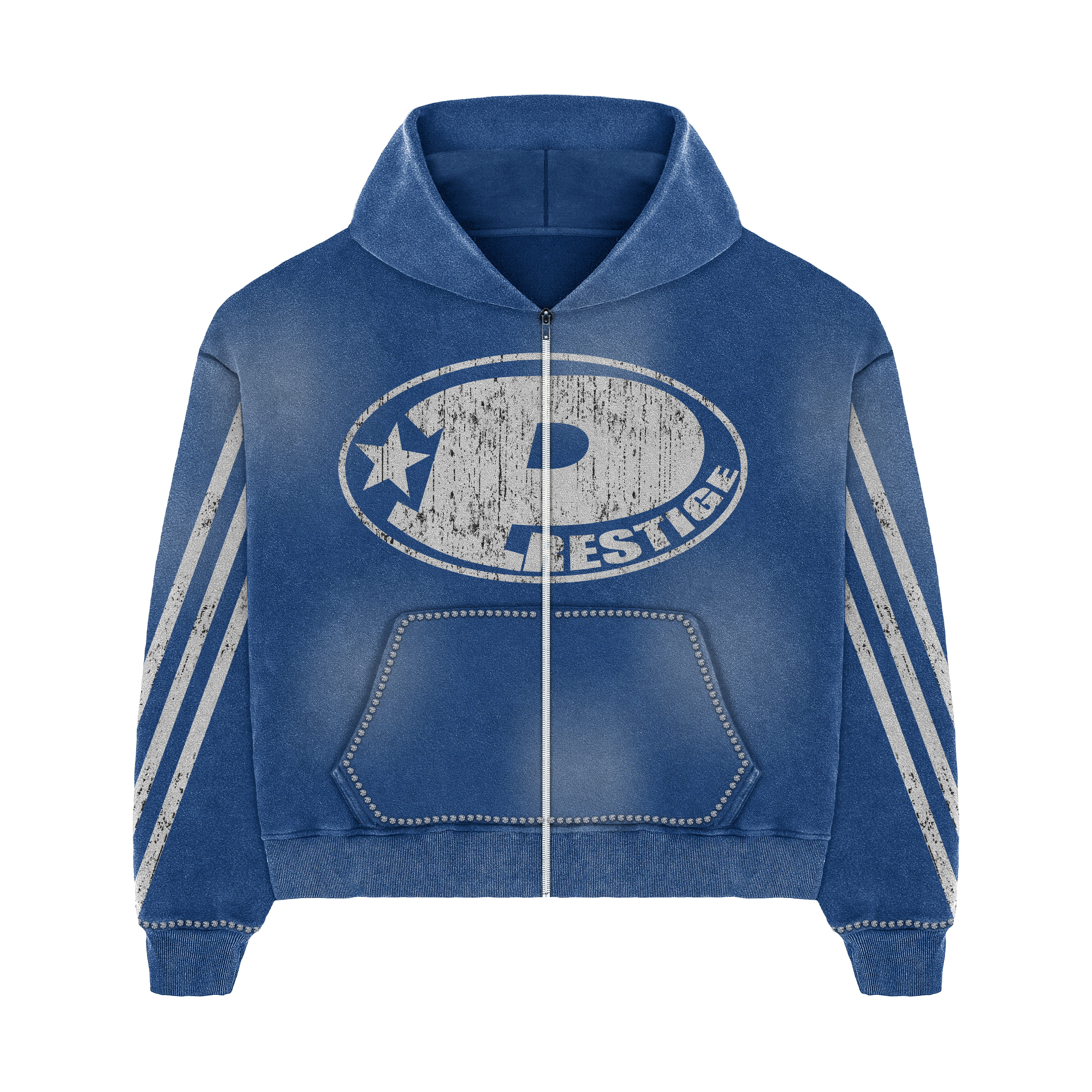
Instead of relying on what you recall as your typical size, prestiege tee and measure your body directly—that remains the single most reliable method to select the right size. With a soft tape measure, note your chest or bust circumference, waist, hips, and, for tops, your shoulder-to-wrist arm length. Record these measurements in advance so you avoid measuring under pressure at checkout. For outerwear and hoodies specifically, also measure your shoulder width as it naturally falls, since a loose fit and a fitted fit call for different amounts of shoulder room. Plenty of buyers believe their size never shifts throughout the year, but small weight fluctuations or layering habits (like wearing a hoodie over a t-shirt versus alone) can shift what feels comfortable. Once you have your numbers, compare them against the specific size chart for the item you’re considering instead of assuming your usual size carries over exactly.
The Correct Approach to Interpret a Size Chart
A size chart generally displays bodily dimensions in inches or centimeters alongside matching size names like S, M, L, or numeric sizing. Where many buyers go wrong is matching their usual size label directly instead of matching their actual measurement to the chart’s numbers. If your chest measures 40 inches and the chart lists Large as 39–41 inches, Large is your match — regardless of what you usually wear at other brands. Also take note of whether the chart is sizing the actual garment or the body shape it’s built for, since these can vary by one or two inches to allow deliberate room. Charts based on garment measurements work best for structured items, while body measurement charts work better for stretch fabrics. If a product page lists both, use the garment measurement to understand exact fit, and use body measurements to double-check your sizing decision.
Fit Styles: What Slim, Regular, and Oversized Really Mean
Terms describing fit can be just as confusing as sizing numbers, especially when brands use general wording instead of strict measurements. A slim fit generally hugs the body more through the chest and arms, allowing minimal room to layer under it. A regular fit provides slightly more room overall, typically one or two extra inches versus slim styles. Oversized fits, popular in recent hoodie and streetwear-inspired collections, are constructed with substantial extra fabric in the shoulders, sleeves, and body length — usually adding two to four extra inches compared to regular sizing. When shopping prestige clothing for this style specifically, think about going a size smaller if you want the oversized aesthetic minus the extra length, since these cuts already build in extra fabric. Conversely, if you’re ordering a slim-fit item and you’re between two sizes, it’s generally wiser to size up rather than down for comfort reasons.
Notes on Fit by Product Type
| Item Category | Key Measurements | Typical Error |
|---|---|---|
| Hoodies | Chest, shoulder width, arm length | Relying on typical size rather than actual shoulder measurement |
| T-Shirts | Chest and length preference | Overlooking how much fabric shrinks after washing |
| Outerwear | Chest plus room for layering | Sizing too tight to allow underlayers |
Fit approaches vary across varying apparel types, and treating all garments the same way often results in poor-fitting purchases. Sweatshirts and hoodies should be checked with regard for arm length and overall body length, since these pieces are frequently layered over other pieces during colder months. In addition to waist size, bottoms need careful attention to inseam and rise, notably if you are tall or petite relative to standard size charts. Jackets and coats must always leave room for layering — a jacket that fits perfectly over a t-shirt might feel restrictive over a hoodie. Because fitted tops rely so much on torso length, taller-than-average shoppers should check the garment’s total length to avoid an uncomfortably short fit. Spending a few extra minutes on these category-specific checks meaningfully cuts down on returns.
Contrasting Fit Categories at a Glance
The table beneath this breaks down how the three common fit categories tend to differ in terms of room and suggested sizing strategy. Treat it as a quick reference when choosing among fit types on a product page.
| Fit Type | Standard Room Added | Well Suited To | Sizing Suggestion |
|---|---|---|---|
| Slim Fit | 0–1 inch | Layering minimally, tailored look | Go a size larger if you fall between sizes |
| Standard Fit | 1–2 inches | Everyday comfort, moderate layering | True to measured size |
| Loose Oversized Fit | 2–4 inches | A streetwear-inspired look with heavy layering | Opt for a smaller size to shorten the length |
What Buyers Share in Prestige Review Feedback
Customer feedback is one of the handiest tools for grasping how an item actually fits, and often it beats a size chart on its own. Checking a prestige review prior to buying can show whether a particular piece runs small, large, or true to size based on feedback from other shoppers. Pay close attention to reviewers who share their height, weight, or typical size along with their experience — that added context turns their feedback into something far more actionable than a generic remark. A pattern of comments describing an item as “running large” or “snug in the shoulders” across many reviews shouldn’t be ignored. Also worth noting: review dates matter, since 2026 season updates to fabric or cut may have shifted the fit somewhat relative to earlier stock. Combining review insights with your own measurements gives you the most complete picture before committing to a purchase.
Prestige 2027 & Fit Updates by Season
Cut details on certain items may be refined based on shopper input and newly sourced fabric sourcing, as collections move forward in the run-up to the prestige 2027 planning stages. Such a thing is normal across the apparel industry; brands routinely adjust cuts a little season over season to address frequent sizing concerns. Should you have bought from them previously and appreciated the fit, it remains worthwhile to confirming the size chart on newly launched items rather than assuming matching measurements. Shifts in fabric by season, such as a shift to denser fleece for chillier weather, can also influence how a garment falls even if the stated measurements remain the same. Keeping close attention to listing copy and revision notes guarantees you’re always working with the latest sizing information rather than old assumptions from a earlier collection.
Maximizing Best of Prestige Clothing Picks
While browsing best of prestige clothing picks, whether that’s a signature hoodie or a adaptable layering piece, apply the same numbers-first approach rather than deciding based on assumption. Begin with your own numbers, compare with the specific size chart for that item, and account for the fit type: slim, regular, or oversized, before finalizing your selection. If you’re shopping for gifts, selecting a regular fit in the recipient’s known size is generally the most reliable choice, since it steers clear of the extremes of slim or oversized cuts. In your personal rotation, don’t hesitate to mix fits across categories; an oversized hoodie paired with regular-fit bottoms is a common and easy combination. Investing these extra few minutes during the shopping process proves worthwhile notably in fewer returns and greater satisfaction with your final purchase.