
The Row’s Aesthetic: Where Tailoring Meets Understated Bags
The Row has spent close to two decades developing a design language anchored in minimalism. Founded by Mary-Kate and Ashley Olsen, the label made its name through meticulous tailoring well before it turned into a staple of handbag discourse. Unlike other luxury houses, the row sidesteps the pull of trend cycles. Instead, the brand builds slowly, releasing pieces that read as quiet, considered, and durable rather than loud or seasonal. The row bags carry that same philosophy, echoing the structural discipline present in the brand’s coats and trousers.
To understand the row fashion, one must look at tailoring first, since the bags are fundamentally an extension of that same construction logic. Seams sit flush by design. Proportions are calculated rather than decorative. Branding is minimal, hardware embellishment is nearly absent, and tonal color stories are strongly favored. As a result, the label has become a touchstone for a particular understated luxury shopper who prizes fit and material over logos.
For anyone new to the brand, it helps to think of The Row as two parallel disciplines meeting in the middle: garment construction and leather goods engineering. Both departments share pattern-cutting sensibilities, and both prioritize how a piece moves with the body or hangs on the arm. This is why so many editorial pieces describe the row handbags as “wearable sculpture” rather than simple accessories.
The Design Thinking Driving ysl tote bag sale The Row’s Tailoring
Tailoring at The Row follows a formula that prioritizes clean lines over ornamentation. Jackets feature structured shoulders paired with soft interior canvas, lending pieces a lived-in drape despite their precision. High waists and straight legs define the trousers, recalling mid-century silhouettes without indulging nostalgia. Ivory, black, camel, and grey dominate a deliberately narrow palette, collection after collection, season after season.
Such restraint is by design. Mary-Kate and Ashley Olsen have spoken about designing for longevity rather than immediate gratification, which explains why pieces rarely feel dated three or four years later. Even in 2026, a blazer purchased in 2022 reads current, largely since the design brief never went after a specific cultural moment to start with.
The brand’s approach to bag design is shaped by that same longevity mindset. The Row confines its handbag output to a tight rotation of silhouettes rather than releasing dozens of shapes annually, choosing incremental refinement over outright replacement. This is a notable departure from competitor houses that release six or more new bag shapes per year to keep pace with trend cycles.
Shoppers are encouraged to invest in one remarkable piece rather than five throwaway ones — that’s the result of a wardrobe-building approach. This philosophy remains core to the label’s identity, explaining why secondhand prices on core pieces remain strong.
The Construction Philosophy Behind The Row’s Bags
Vegetable-tanned and full-grain leathers are used to build the row’s bags, picked intentionally for how they age. Instead of chasing a lacquered, “new” finish, the label lets leather develop character over time, which means two identical bags can end up looking quite distinct after a year of steady use. This organic aging process is part of the draw for shoppers who want a bag with personality rather than uniformity.
Construction techniques borrow heavily from tailoring departments. Panels are cut using pattern tables like those found in jacket-making, and several styles use only two or three leather pieces total, reducing visible seams. Hardware is kept purposefully understated — often a single clasp or magnetic closure — because visible branding runs counter to the brand’s design ethos.
Balancing weight is another understated focus. Straps are engineered to rest well across the shoulder for extended wear, and internal structure is reinforced with buckram or similar stiffening materials so bags hold their shape even when only partially full. This build-quality obsession is why the row handbags command premium price points usually falling between the low four figures to well over five figures, according to leather type, size, and hardware finish.
Production runs are intentionally small. Certain colorways sell out within weeks of release, fueling consistent conversation around row sale periods, when older colors or restricted leather types sometimes show up at discounted pricing through the brand’s own channels or authorized stockists.
Notable Row Bags to Know
For shoppers compiling a row bags overview before committing to one, a handful of silhouettes dominate the conversation. The Margaux remains the most recognized shape, celebrated for its relaxed, open-top profile and generous proportions that photograph well both on the shoulder and in the hand. The Sofia offers a more tailored, boxier alternative for those who prefer a formal silhouette. The Soft Tote leans laid-back, built from flexible leather that shapes itself around whatever is inside it.
Each of these ranks among the top row bags based on search volume, editorial coverage, and resale activity. The Margaux in particular has turned into something of a status symbol among fashion editors and stylists, partly since it walks a careful line between minimalist and directional design.
Where to find the row margaux bag is a common question among customers, given that availability fluctuates by season and leather shade. The surest approach is through The Row’s own e-commerce site or its flagship stores, then approved high-end sellers that stock the brand’s ready-to-wear and accessories lines. Since output is restricted, watching availability closely during new season drops is the smartest tactic for locking down a specific size or color.
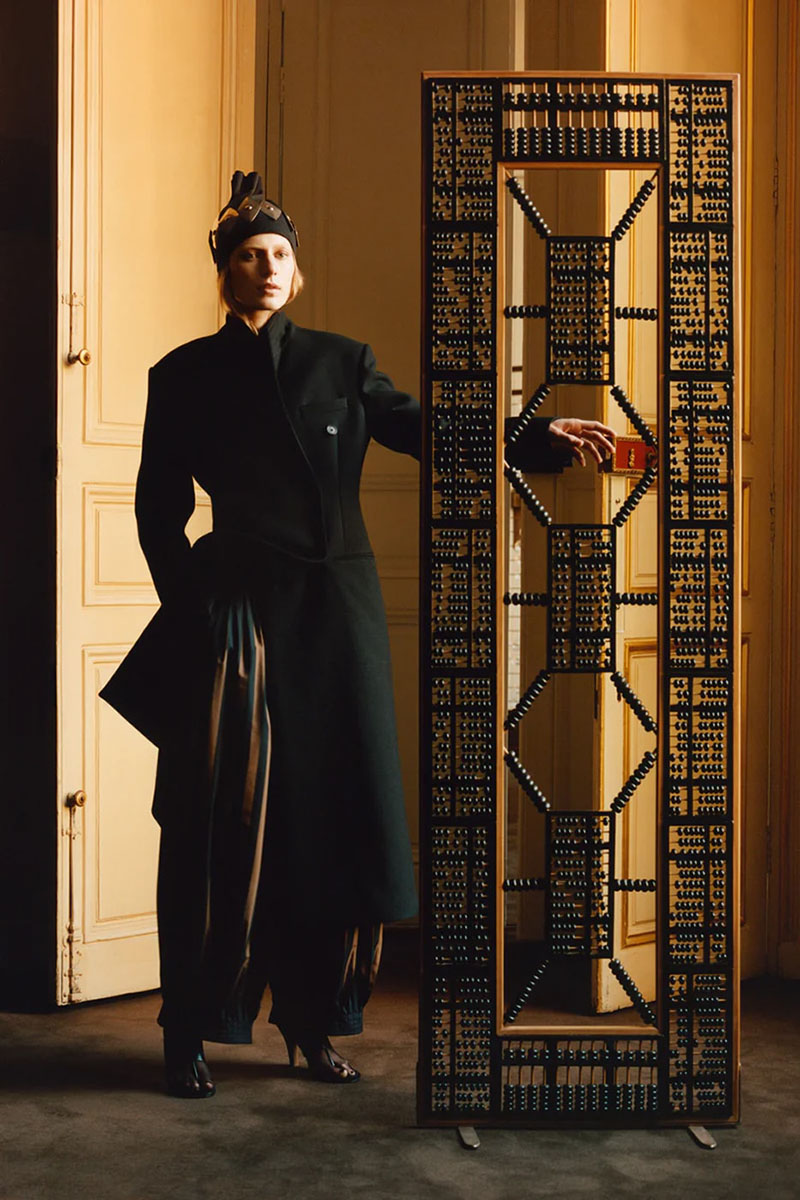
The row tote bag category deserves its own mention, since the tote shape have become a rising focus for the brand in recent collections. These bags balance day-to-day usefulness with the same minimalist detailing found across the rest of the handbag range, making them a accessible entry point for shoppers new to the label.
Weighing The Row’s Most Notable Bag Silhouettes
The chart that follows offers a clear comparison of the brand’s most searched shapes, focusing on structure, best application, and overall pricing tier rather than exact figures, since cost varies by hide material and release season.
| Style | Construction | Best For | Price Tier |
|---|---|---|---|
| Margaux | Relaxed, open-top | Everyday statement carry | Mid-high to premium |
| Sofia | Tailored, square-cut | Professional or polished contexts | High |
| Soft Tote | Flexible, everyday | Daily errands, travel | Moderate to fairly high |
| Crossbody in Compact Style | Compact-sized, firm-shaped | Night-out or light essentials | Middle-range |
This kind of comparison is useful because The Row rarely publishes direct comparisons on its own site, forcing buyers to piece together dimensions and purpose details from listing copy and secondhand reviews.
Making Savvy Purchases: Markdowns, Secondhand Markets, and Durability
Because The Row rarely discounts core styles, a genuine row sale is a standout moment rather than a routine occurrence. When markdowns do happen, they tend to target previous-season hues or restricted-run finishes rather than top-selling neutral shades like black or camel, which continue to sell steadily.
Resale marketplaces have become a backup option for shoppers in search of better pricing on the row handbags. Properly cared-for Margaux and Sofia bags routinely hold 60 to 80 percent of their original retail value on platforms focused on luxury resale, a clear indicator of ongoing demand. This retention rate outperforms many competitor brands, largely because production numbers stay low and styling shifts little year over year.
For those buying their first piece, the wisest strategy is favoring versatile neutral colors in hard-wearing hide materials, since such choices keep their value and pair most easily with existing wardrobes. Buying during official markdown periods, when available, or through vetted secondhand marketplaces are the most dependable routes to access the brand without paying full flagship pricing.
On its way into 2026 and the years after, the row has cultivated such a committed following precisely because pieces are not designed for instant gratification but for years of consistent use — at the end of the day, the row’s approach to both tailored pieces and accessories is built to reward those willing to wait.